


External links are the links on your website that direct the user to another relevant website. We also called them outbound links. Internal links connect different pages of the same website, and inbound links or, backlinks lead users from other websites to you. Meanwhile, outbound links do the opposite- they lead users from your website to others.

External links used to be thought of as a negative move to optimize content – but, the mystery is on the way to resolve- they’ve become a tool to enhance the online visibility of a website. They are just like roads leading to other valuable websites.
When external links are utilized strategically, it improves the website’s authority, and user experience and boosts SERP rankings. In this blog, we’ll learn so much more about external links to help you get an idea of their power!
Why External Linking?
External links are thought of as a destroyer of SEO, but are they? Absolutely not. When we use external linking through a well-planned strategy, they end up improving the website’s authority, user experience, and search engine rankings. But still, of 100,000 blogs, 75% of them had no external links.
Let’s know more about each of the benefits in detail-
Improved Website Authority
External Linking plays an important role in boosting a website’s authority. When you link to other’s websites, the links work in your favor and search engines view you as a valuable and reputable resource that the website can link to get more viewers. How?
By adding external links that are valuable and provide more detailed information, you’re seen as the provider of the information or the source of the information within the industry that works to provide people with value. This way, the scores for authority and domain authority increase.
So, what do you get? Credibility, authority, and better search ranks. When you refer valuable content, you show your expertise and trustworthiness to both search engines as well as users.
Enhanced User Experience
Other than improving website authority, external links also enhance user experience. The content you refer to within your content through links is seen as the commitment to provide detailed information to the readers.
So, whenever users stumble upon some topic that needs more exploration and you provide them with a source through external links, they become fond of you and start trusting you. Altogether, your efforts satisfy their curiosity and impact the depth of your content.
By adding high-quality external links to your website to provide in-depth content, it results in user satisfaction, longer page visits, and increased trustworthiness. You emerge as a reliable source of information.
Boost In SEO
Search Engine algorithms are complex – hidden, mysterious, and difficult- all at the same time. But, within the discovered factors comes external linking which is considered an important factor. Linking to high-quality websites helps search engines know that you focus on providing in-depth knowledge on a topic and are committed to giving value to users.
Through external links, your content is understood better and keyword ranking improves. Suppose you’re posting content on the benefits of digital marketing but, just saying it doesn’t do any good. So, you added links to proofs, case studies, and other sources to give credibility to what you said – this increases the page ranking for digital marketing-related keywords.
Adding more to it, external links indirectly help in building relationships with other websites- another important part of SEO. This connection gives fuel to future collaborations and guest posting opportunities that lead to backlink building and increased visibility.
Meaningful Relationships
Apart from SEO benefits, external links offer an opportunity to build meaningful relationships in the industry. Strategic linking isn’t just about referring or sharing but building a bond. The relationship can turn into valuable assets in later times.
Linking to authoritative and relevant websites shows that you respect work and expertise even if they’re your competitors. This way, there’s a possibility that they thank you for it, or even reciprocate by placing your links on their websites.
With that, you get the reach of many other opportunities. It may include partnerships and collaborations. According to Ahrefs, 43.7% of top pages consist of reciprocal links. This shows that the content that they mention, links back to them.
More importantly, you get to reach a newer audience as audiences of different perspectives and points of view reach your websites in search of content and links. This website gets exposure so, they might share your content as well and help you increase your reach.
NoFollow vs Follow External Links
External links have two categories – follow and nofollow. Basically, follow links are the ones that lead to other websites just by clicking on them and passing the link juice. Meanwhile, a nofollow link doesn’t pass link juice.
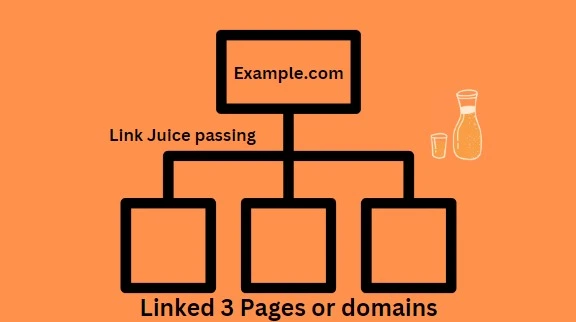
NoFollow External Links
Through a nofollow external link, you send a signal to Google to not pass the ranking signals, or consider to rank the linked page. It’s surprising but 89.1% of link builders say that nofollow links impact search rankings.
One can add a nofollow attribute to an external link by <a href=”https://example.com” rel=”nofollow”>Example</a>

Follow External Links
These are the links that you want Google to pass ranking signals to. This is a default option and doesn’t need you to add any attribute.
Best Practices To Keep In Mind While External Linking
We saw how external linking benefits us in improving user experience, enhancing SEO, and increasing website authority and meaningful connections. But, to maximize the benefits, a few practices should be followed to avoid getting into trouble-
- Choose Quality Over Quantity, especially in the case of external links. When you link to a highly authoritative and relevant website, you get more benefits than scattery irrelevant links all over the website. By adding valuable external links, you can build relations with reputable websites and succeed in the future.
- Make sure the links are directly related to the topic of your content. Unrelated links result in diluting content focus and confusion. A naturally placed relevant link improves user experience and proves you as a subject matter expert.
- Focus on the anchor text – the text that’s clickable and contains a link. It’s an important part of SEO. Use relevant and descriptive text to help search engines and users understand the context behind the link. Don’t stuff keywords but link naturally.
- A natural link profile is essential to show how much you’re aware of the other websites and have knowledge in different contexts. Link to .edu, .gov, and .com websites to provide legitimate content.
Don’t use excessive links from a single domain as it might flag you as scammy or even decrease your search ranks.
While all these are some important practices, never forget a nofollow attribute that doesn’t pass link juice. They’re useful in the case of sponsored content or user-generated comments. So, be careful when placing external links.
Some Advanced External Linking Strategies
Who’s not looking to advance the external linking strategies? Of course, everyone’s trying to upscale! So, here are we with some advanced external linking strategies that might not be new but extremely effective.
Allow Guest posting
Guest posting is effective for getting backlinks but, did you think of it as a way to acquire meaningful external links to your website? Invite websites to guest post on your website and add valuable links from the websites to improve their website’s authority as well as yours!
Open External Links In Different Tab
One thing you should make sure is that the external links open in a different tab. While there are many reasons for this, the most important reason is control- the control that the user has with the website, their experience, and the choice of switching any moment they need something else back to your website.
Try To Not Link With Competing Websites
A website always wants to rank first for the keywords they use. So, any website that’s competing with you for a keyword or is already ranking for the keyword is not the one you should go and link to. Instead, link to those that are still growing and provide valuable content.
Conduct Link Audits Regularly
Just like other audits of someone else’s website for broken links to get an opportunity to backlink, audit your website regularly to find out if there’s a broken link on your website. This helps in preventing low ranks due to this and immediate replacement of it with a valuable link.
External backlinks, also known as external followed links, refer to instances when other websites link back to your content. This form of external linking is valuable for SEO as it aids in establishing the credibility and relevance of your content. For example, if a website like “Ramenbet Casino” links to your site from an external page, that’s an external backlink. However, to ensure effectiveness, follow best practices such as obtaining links from high-authority and relevant sites. Remember, the meaning of an external link is essentially a connection from another site that leads users to your website.
External backlinks, also known as outbound links or external followed links, refer to links that point from your website to different sites. These are crucial for SEO because they connect your content with other valuable sources, thereby giving it more authority. An example of an external link is when you refer to a study or article from a separate site to support your content. Best practices for external linking include choosing reputable sources, linking to relevant content, and using proper anchor text. Remember, when creating external links, the quality of the site you’re linking to matters as it reflects on your own content’s credibility.
External backlinks, also known as external links, are hyperlinks from another website that lead to your site. These are a critical factor in SEO, as they contribute to your site’s credibility and visibility on search engines. Example of an external link would be a blog pointing its readers to your webpage for more information. This process is known as external linking. It’s worth noting that the most valuable external backlinks are followed links, which pass on ‘link juice’ and help improve your website’s ranking. The creation and execution of an effective external linking strategy is key to harnessing the SEO benefits of external links.
External linking in SEO involves creating connections to other relevant websites, exemplified by external followed links and external backlinks. These are also referred to as external links. Essentially, external linking aids in navigating to another site, adding value to your content, and establishing authenticity. For instance, citing a research article as a source on your blog post is an example of an external link. External backlinks are crucial as they aid search engines in discovering your content, potentially improving your site’s search ranking.
External linking in SEO refers to the process of linking your website to other websites, also known as external backlinks. This increases your site’s credibility and enhances its visibility to search engines. For instance, if a reputable site links to your page, it demonstrates to search engines that your content is valuable and reliable, significantly improving your SEO ranking. An example of an external link would be a hyperlink on your webpage, leading the user to an entirely different website. External followed links, on the other hand, not only direct users to a different site but also pass on ‘link juice’ or ranking power, further boosting your SEO performance.
External linking, also known as external backlinks, refers to the practice of referring to content on different websites than your own. These are essential to improving the SEO of a website as they act as a vote of confidence from one site to another, enhancing credibility. For instance, a blogpost may contain an external link to a research paper, serving as an example of external linking. Achieve this by creating valuable, shareable content for link-building opportunities. As for best practices, care should be taken to link to relevant, high-quality, and trustworthy sites, while also maintaining a balanced link profile.
External links, also known as external backlinks, are hyperlinks that point from one website to another. They are crucial for SEO as they can enhance the visibility of your site by directing more traffic. For example, if another reputable website links to your content, that’s an external link. These can also include ‘followed’ links, which allow search engines to follow them and reach your site. Obtaining these external links can be accomplished through strategies such as creating quality content, guest blogging, or building relationships with other webmasters. Remember, the goal is to build organic and relevant backlinks that will not only bring you direct traffic but improve your SEO standing.
External links, also known as external backlinks, are hyperlinks from other sites directing towards your website, forming an integral part of SEO strategies. They serve as a vote of confidence to your site from another, signaling search engines about your website’s relevance and credibility. For example, a travel blog might link to your travel gear site, showing that they trust and validate your content. The more of such followed external links you acquire, the better your chances of improved search engine ranking. Building these links involves reaching out to bloggers, authority sites, and influencers within your industry and persuading them to link back to your content. Strategies might include creating unique, high-quality content, guest posting, and collaborative projects. It’s important to note, not just getting any links, but having them from high-authority sites makes a substantial difference in your SEO outcomes.
External backlinks, also known as external links, are crucial for an effective SEO strategy. They are links from other websites that direct to your site, serving as references or citations in the digital world. Examples of external links might include a blog post about your product or a mention of your website in an online article. Building a robust external link profile not only improves your site visibility but can boost your ranking on search engines. To get more external links, consider strategies such as guest blogging, ensuring your website has valuable content that others want to refer to, or reaching out to industry influencers. Remember, the key is to earn followed links, which are links that pass on SEO strength, to build a strong external link network.
Building external links for SEO involves a strategic approach to cultivate connections to your website from other online sources. First, create high-quality, relevant content that others will want to link to. Partner with reputable websites to organically generate links or try guest blogging on their platforms. There are tools available, such as the external backlink submitter ein, for locating opportunities to create these connections. Once established, you can easily find these external links leading to your website, using various SEO tools. Remember, a strong strategy for external link building can significantly boost your website’s SEO performance.
Building external links for SEO involves creating a strategy that encourages other websites to link back to yours. Ideal methods include getting your content featured on prominent blogs, guest posting on relevant sites, or submitting your site to an external backlink submitter. This boosts your SEO due to the increased visibility and credibility provided by these external followed links. To check the success of your strategy, use tools that help find external links to your website. Remember, the aim is to choose quality over quantity and make these links naturally part of your content, so keep it valuable and relevant to your audience.
Building external links for SEO involves a strategic approach to include suitable links from other sites to your website. This external link building strategy requires quality backlinks from reliable sources, which can improve your SEO ranking. To establish external links on your website, you can use a tool like an external backlinks submitter, and keep track of external followed links. Remember, it’s vital to ensure that these links offer high-value content to your users and are relevant to your website’s theme or industry. This approach can enhance your website’s credibility and overall online presence.
Building external links for SEO involves a targeted strategy that includes creating high-quality content others want to link to, participating in relevant forums/community discussions, guest blogging, and utilizing social media platforms. More external links to your website from reputable sources can boost your SEO ranking. Remember, the quality of your external followed links matters more than quantity. Use a tool, like an external backlinks submitter, to help you identify and pursue beneficial link opportunities for your website. This strategy of external link building could significantly improve your website’s visibility and traffic.
Building external links for SEO involves tactful strategies that can increase your website’s credibility. Essentially, the aim is to have other trusted websites link back to yours, often referred to as “backlinks”. One approach could be to use an external backlinks submitter, which can play a significant part in boosting your site’s reputation. Remember, it isn’t always about having the most links, but rather about cultivating quality connections where external followed links direct meaningful traffic back to your site. In essence, having a healthy number of external links to your website enhances your search visibility, making it easier for potential audience members to find you.
To build external links for SEO, start by creating engaging, high-quality content on your website that others find valuable. This could attract other websites to link back to yours, thus generating external backlinks. Alternatively, you can approach relevant websites for guest blogging, which allows you to incorporate links back to your site within your submitted content. Keep track of your external followed links to monitor the progress and effectiveness of your SEO strategy. Remember, it’s not just about quantity, the quality and relevance of your external links are equally important.
Building external links for SEO can significantly boost your website’s visibility. This process involves having other reputable websites link to your site, which can be achieved through guest blogging, social media promotion, or using an external backlinks submitter tool. External links, also known as external followed links, not only direct more traffic to your site but also increase your credibility in the eyes of search engines, enhancing your SEO ranking. Conversely, including external links on your website to high-quality, related content can further improve your SEO, augment user experience, and foster beneficial relationships with other sites. Remember, both linking to other sites and earning links back to yours should be executed strategically to achieve maximum SEO benefits.
Building external links for SEO involves implementing strategies that drive links from other websites to your site. These external links on your website can significantly boost your SEO performance when they are followed links, meaning search engines will consider them in ranking your site. You can encourage more external links to your website by creating high-quality content, participating in relevant forums, or using guest blogging. This strategy is key to improving your site visibility and driving more organic traffic.
External linking, often referred to as external backlinks or simply external links, is a key SEO strategy where you link your website content to other domains. Essentially, they are hyperlinks that direct from your website to another site on the internet. For an example of external links, just imagine having a cooking blog post and linking a specific ingredient to an online grocery store. External followed links are those that count as points, pushing SEO link juice and boosting the page rank of the linked-to sites, helping them climb higher on the SERPs. The fundamental idea behind external linking and its importance in SEO is that websites with more high-quality backlinks are seen as more valuable, authoritative, and trustworthy from a search engine’s perspective.
External linking in SEO refers to the practice of linking to other websites from your own, also known as external backlinks. This technique is important for improving visibility and credibility in the online space. An example of external linking could be referencing a relevant blog or article from another source in your content. External followed links are those that allow search engines to follow them to the linked website, which aids in boosting search rankings. By utilizing external links and backlinks effectively, you enhance your site’s SEO ranking, simultaneously building strong, beneficial relationships with other websites.
“External linking, also known as external backlinks or external followed links, is a key component of SEO. Essentially, it involves the incorporation of hyperlinks from other websites to your web page. The purpose of these external links is to direct the internet traffic from a different webpage to your own, thereby boosting your site’s visibility and ranking on search engines. To put it plainly, if website A features an external link to website B, then website A is essentially telling the search engine that it vouches for the content of Website B, which, in turn, boosts Website B’s credibility and ranking. For an example of external links, suppose you have a blog about gardening, and you link to a well-known gardening tips website within your blog. That would be an external link because it leads your visitors to an entirely different site. So, to sum up, external links and backlinks play a pivotal role in enhancing your website’s SEO and overall digital presence.”


This Post Has 2 Comments
Hi! This is my 1st comment here so I just wanted to give a quick shout
out and tell you I truly enjoy reading through your blog posts.
Can you suggest any other blogs/websites/forums that go over the
same subjects? Thank you!
Hey Ramen,
I’m happy that you are enjoing content related to seo and email marketing.
Not exactly but you can find same type from backlinko and mailchimp
Comments are closed.