


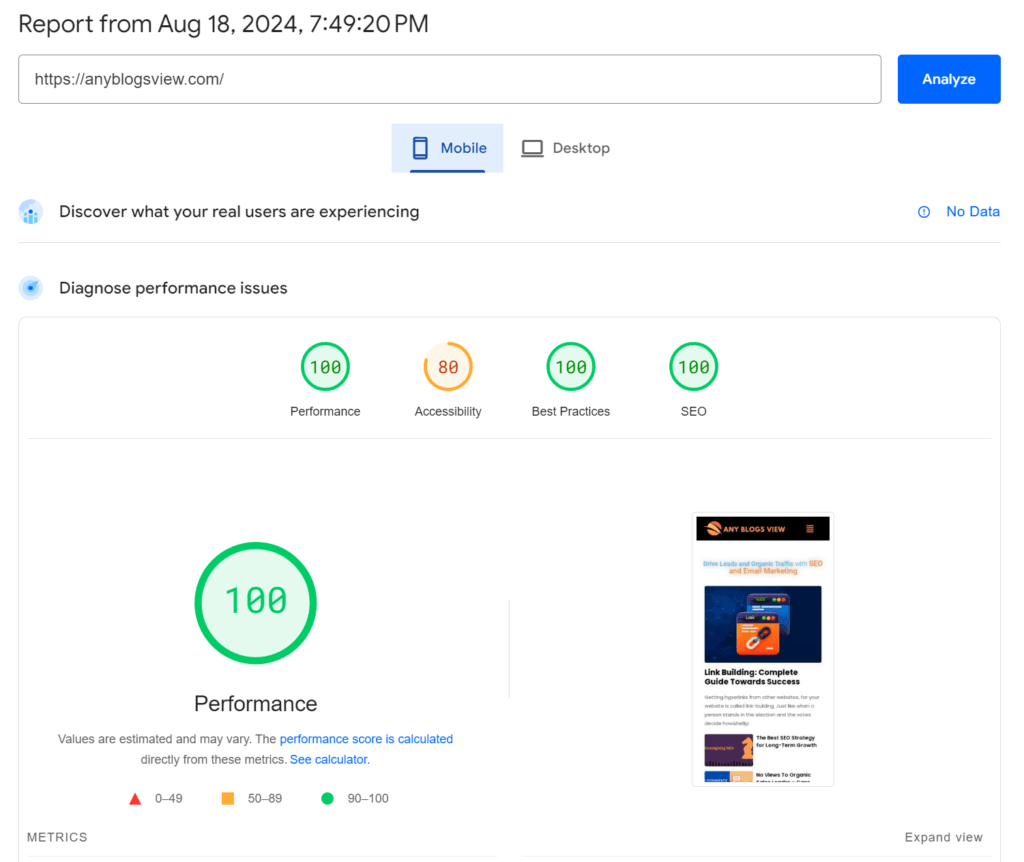
Page speed is the speed at which a website can load in a user’s browser, and improving it is known as page speed optimization. We all know how the fast-speed network and busy schedules have lowered our patience level. Waiting frustrates us all now.
Similarly, the user wants everything to be fast and quick- a slow-loading website frustrates users and encourages them to switch to another website. Which in return, results in high bounce rates and lost opportunities. A 1-second delay can increase the bounce rate by 7%.
Page speed optimization isn’t crucial for just user experience but, is an important factor in Search Engine Optimization and conversion. Search engines, such as Google, give priority to websites that can load at a faster speed when shown in the search results. Additionally, websites with fast loading speeds have a higher conversion rate than slow websites.
Page Speed Metrics
Page Speed optimization is part of technical SEO and it isn’t something that works on its own, or, is itself a metric – but, depends on other important, lesser-known metrics. It’s important to understand these metrics and improve them to optimize the website’s speed. The key metrics provide insights into how quickly the website loads and how smoothly it works.
Core Web Vitals
Core Web Vitals are a set of important metrics, introduced by Google, that directly impacts the User Experience on a website. These metrics are-
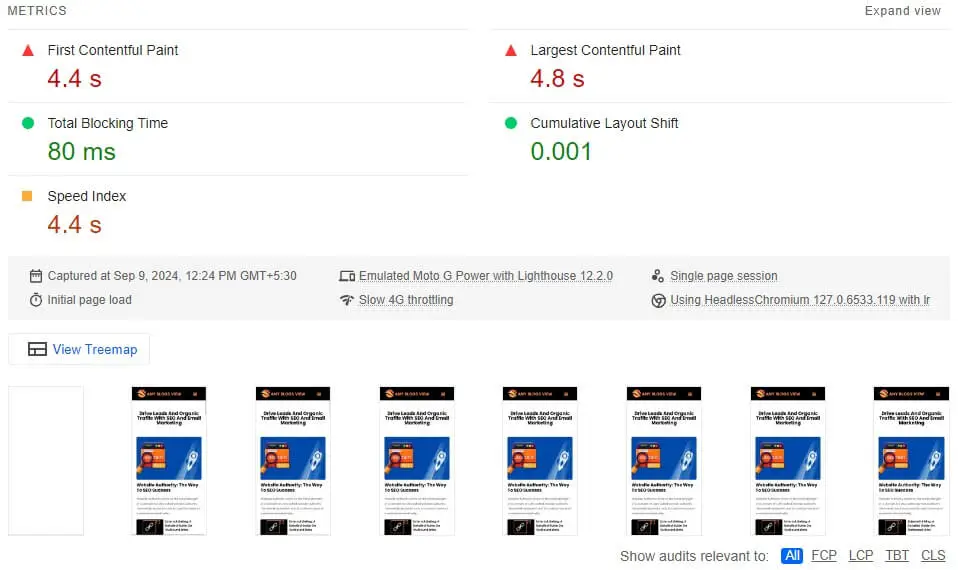
Larget Contentful Paint (LCP)
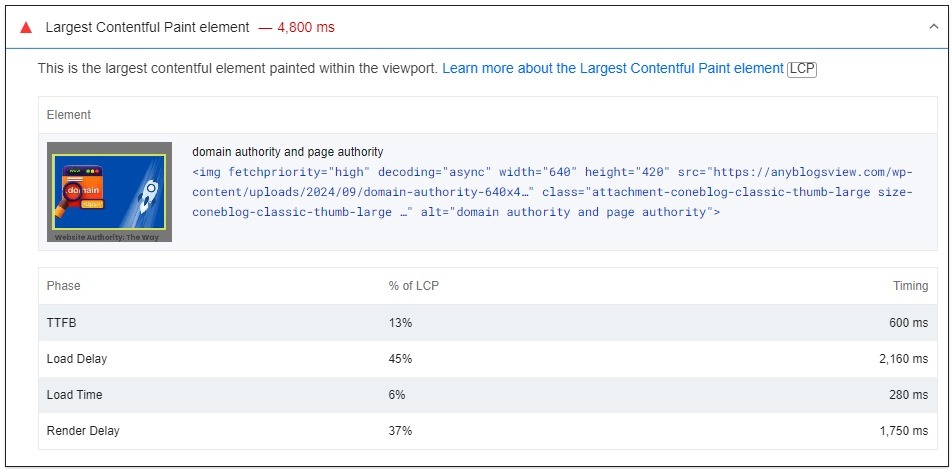
LCP measures the interpreted loading speed time of a page. It specifically measures the time it takes to load the largest content element to show up to the users. It could be an image, text, or any large file or visual element.
A low LCP score compliments the page speed of the website, i.e., the lower the LCP score is, the faster the user can view the main content available on the page. It improves the overall user experience on the website.
To optimize the page speed and lower the LCP score, you should optimize the elements required to show up on the website. The optimization must include image size optimization, minimize the render-blocking resources as well as make sure that server response time is efficient.
First Input Delay (FID)
FID measures how well a page responds to a user’s activity. It measures the time between the user’s first action on the website which can be a click on the website link, and the browser response.
When a FID is low, it’s a sign that the page is highly responsive and interactive. And, it enhances the level of user satisfaction. Trying to achieve the same? Make JavaScipt execution a priority, make the long tasks short, and make sure that the event handling is sufficient for user interaction.
Cumulative Layout Shift (CLS)
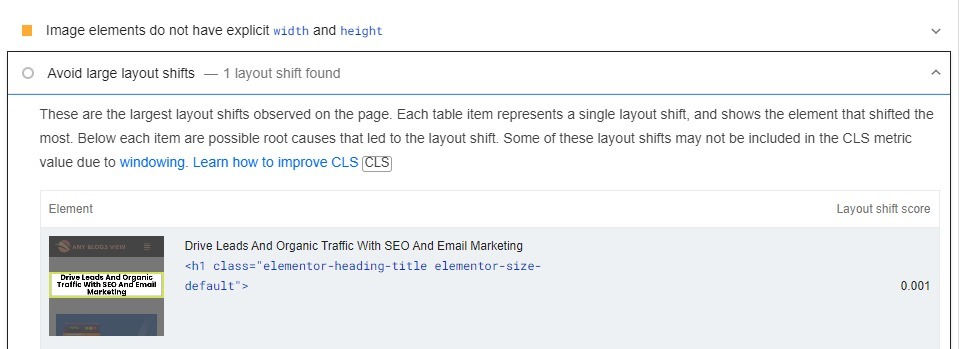
CLS quantifies how stable the visual of a page is. All the unexpected layouts that occur and shift after a page load are measured by CLS. When a CLS score is low, it is understood to enhance the visual stability of the page and prevent any frustrating shift that might disrupt the user experience.
To optimize, try to keep a separate space for new, diverse, and high-quality content. Try to avoid inserting any element above the content that already exists. Additionally, use size attributes for images as a prioritized practice.
Other Important Metrics
While Core Web Vitals provide detailed insight and overview of the page speed effect, some more metrics fulfill the rest of the part for providing insights and direction to website page speed optimization.
Page Load Time
As it can be guessed through the name, Page Load Time or, PLT, is the total time taken by the webpage to fully load and appear in the user’s browser. It includes the times that HTML, CSS, JavaScript, images, and all the other resources take to download and appear.
A low PLT is important for providing user satisfaction and SEO. The user looks forward to websites that load quickly and even the search engines prioritise the fast loading side. So, if you’re good with it, your website can achieve higher ranks!
To ensure the PLT is low, start by reducing the size of these resources – images, HTML, CSS, etc., minimize HTTP requests, focus on browser caching, and optimize server response times.
Time To First Bite (TTFB)
TTFB is the time that passes between the user’s request to load a page and the first byte of the data to be received by the server. This, indirectly, reflects how fast the server responds to the user’s request. A responsive server and a faster page load time are indicated by a low TTFB score.
Choosing a reliable hosting provider, optimizing the configuration of the server, utilizing a Content Delivery Network, CDN, and minimizing server-side processing time can lower the TTFB score and provide a satisfying experience.
Render-Blocking Resources
Resources like JavaScript, CSS, and other files that prevent the browser from showing the pages until they’re fully loaded are called Render-Blocking resources. They impact the page load time as well as the level of user experience.
Minimized render-blocking resources help the browser to show the page sooner than before and improve interpretation performance. Separating non-critical JavaScript, inline critical CSS, and optimizing resource loading order can help in achieving fast page loading speed and enhanced user experience.
When we understand the metrics and how they are connected, it becomes easier to find and understand the performance of the page load speed and improve it accordingly.
Factors That Affect Page Speed + How To Enhance
There are so many factors that affect a website’s overall speed – what does that mean? We can improve the website in small steps, one at a time! By understanding these factors, we can easily find the areas of improvement and implement various optimization strategies.
Image Optimization
Sometimes, the largest files on a webpage or a website tend to be images and these impact the page loading time. But, no worries! We’ve found the solutions to it! Some actions to prevent this from happening are –
- Choosing The Right Image Format
- JPEG for photographs as it’s efficient in compressing.
- PNG for images that have a transparent background or, has sharp edges.
- SVG is a vector-based form suitable for graphics and smaller file sizes.
- Choosing The Right Image Size
Images should be resized to their actual dimensions for use on the webpage. Using the correct dimensions for different devices and screen sizes improves the user experience and visibility of the images.
- Compression Of Images
Compressing images can improve the page speed a lot. To reduce the size but not risk the quality, use TinyPNG, Squoosh, or any built-in option. If you want faster displaying of the images, consider using JPEGs.
Other than these steps, improve the initial loading time by deferring loading images until they’re set to enter the viewport.
Minifying HTML, CSS, And JavaScript
Minifying includes removing all the unnecessary characters from a code with affect the functioning such as spaces, tabs, and comments. BY reducing the finale size, you are one step closer to loading times.
In HTML, remove the extra spaces, tabs, and comments to reduce the file size. Similarly, in CSS, combine many CSS files into one and remove any useless comments and whitespaces. Additionally, to reduce the number of HTTP requests combined and minify scripts of JavaScript.
Browser Caching
Static resources like images, CSS, and Javascript are stored by browser caching which reduces the need to download those resources and files again if visited multiple times.
To utilize browser caching, one should set appropriate cache expiration headers as they control how long a resource should be cached by the browser. Plus, using versioning for static assets helps in adding version numbers to the file name to let the cache update when necessary.
Optimizing Website Code
A well-structured written code is important for page speed. It can be handled by avoiding bloated code, minimizing Javascript execution time, and optimizing DOM interactions.
Reducing file size through removing unnecessary comments, combining selectors, and avoiding excessive specifications can help in optimizing the website code and fast page loading speed.
Choosing A Reliable Hosting Provider
Not just internal factors but external factors such as the hosting service provider of the website affect the website’s overall page speed as well. A reliable hosting provider offers fast servers, sufficient resources, and infrastructure that is optimized to improve the website’s performance.
Some ways to choose a reliable hosting provider and service are-
- Choosing a server location that’s closer to your target audience and reduces latency.
- Make sure that the hosting plan has sufficient CPU, RAM, and storage.
- Consider using a CDN as it helps in distributing the website content globally.
Considering and implementing these factors can help in improving the website speed, enhancing user experience, and boosting the search engine ranks.
Measuring And Monitoring Page Speed
Took the steps to improve and abandoned? Not a smart step. After taking actions, or steps to improve, messing and monitoring the page speed becomes essential as it helps you know if it’s working or, if you need to improve; plus, the areas to improve.
Page Speed Optimization Testing Tools
There are many tools available on the internet that can help in measuring the website speed as well as provide actionable tips. Some of them are said to be
Google PageSpeed Insights
Google PageSpeed provides a detailed overview of how the website performs which includes the Core Web Vitals and advice on how to improve. It uses the data about simulated conditions and real-world user experience to provide better insights.
It shows a performance score that ranges between 0 to 100. Its key features include detailed diagnostic reports, insight into areas of improvement, lab and field data comparison and, Mobile and desktop testing.
If you’re trying to get a quick overview of your website performance and get to the major issue that it’s facing, then Google PageSpeed is perfect for you!
GTmetrix
GTmetrix offers deep performance analysis and provides detailed reports and visualization. Its features include waterfall charts that visualize the resource loading, a performance score, video recording of the page load, comparison testing, and location testing for different regions.
Websites trying to find the performance obstructor and understand the loading process in detail can consider using GTmetrix.
There are some of the tools available online. But, when you actually surf the internet and find unlimited tools offering the service, it might become hard to choose just one of them.
While choosing the tools, consider the level of detail you’re looking for, the focus areas, budget as well as features. The tool that fulfills all your needs and preferences the most is the one for you!
Performance Metrics To Analyse
Once you choose the suitable tool for your website, analyze the metrics as follows –
- Core Web Vitals: It requires attention to improve LCP, FID, and CLS scores.
- Page Load Time: It should be a priority to reduce the page load time.
- TTFB/ Time To First Byte: Here, server response time needs to be optimized.
- Render Blocking Resources: These need to be identified and minimized.
Once seen and analyzed, it’s important to set the performance goals. Craft clear performance goals keeping in mind the benchmarks of the industry and user expectations. Regularly monitor the website to identify the areas of improvement and track the progress made.
That’s A Wrap!
Page speed is surely an important factor that determines how successful your website can be. The key metrics, performance obstructors identification, and implementation of optimization strategies can enhance user experience, improve ranks on SERPs, and result in more and more conversions.
Regularly monitoring the website performance and staying updated with the latest practices to refine the optimization techniques can significantly improve website performance and give a positive experience to visitors.
Are you also looking to boost your website’s speed and user experience? We, at AnyBlogsView, offer a whole suite of On-Page SEO services which include page speed Optimization.
We analyse your website, identify the problems and gift you the solution by implementing the best strategies to improve the website loading time. Contact us today to take your website to the next level! ANYBLOGSVIEW.
If you’re looking to get in touch with us at “@anyblogsview.com”, we’re just an email away! Plus, we can help you navigate page speed optimization, a critical aspect of SEO that can dramatically enhance your site’s performance, improve user experience and boost your rankings. With our devoted team, you’ll discover a range of strategies, from reducing server response time to compressing images, to make your website faster and smoother for your visitors. So hit that contact button and let’s skyrocket your site’s optimization together.
If you need to contact any team members at “@anyblogsview.com”, simply send an email detailing your query or concern and they will get back to you promptly. In addition to this, focusing on page speed optimization can significantly enhance your website’s performance. It involves streamlining and enhancing your website’s components, including images, scripts, and files, resulting in faster loading times and an improved user experience. Remember, a fast website not only provides a better user experience but also improves your ranking on search engine results.
For efficient page speed optimization, understanding your website components is vital. Enhancements like reduced HTTP requests, compressed images, and browser caching can drastically improve your load time. If you encounter any concerns or need further clarification, feel free to reach out at the “contact” section in “@anyblogsview.com”. Our team is highly responsive and dedicated to ensuring your website operates at its peak performance.
Page speed optimization is a critical aspect in delivering an optimal user experience on your site. It’s all about reducing the time it takes for your web pages to load. This can be achieved through several strategies, including compressing images, leveraging browser caching, minifying CSS, HTML, and JavaScript files, and reducing redirects. Faster page loading can significantly enhance user satisfaction, increase your site’s visibility in search engine results, and ultimately boost your website’s conversions and revenue. It’s a win-win scenario for both your site visitors and your business.
Page speed optimization is a key factor in enhancing user experience and boosting your website’s SEO performance. It involves various techniques like compressing images, reducing server response time, using browser caching, and minimizing JavaScript, CSS, and HTML—practices that ensure your webpage loads swiftly. A quick-loading, efficient site helps rank higher in search engines, helps keep visitors engaged, reduces bounce rates, and can even increase conversion rates. So, focus on optimizing your page speed for better visibility and improved user satisfaction.
Page speed optimization is a crucial aspect of improving your website’s performance, and involves tweaking various elements to make your site faster. This could include HTML speed optimization, which entails streamlining your website’s code for accelerated page load times. Our comprehensive guide covers all aspects of this process, providing valuable insights into optimization strategies. Knowing what speed optimization entails is essential — it’s all about minimizing delays in content delivery, ensuring an efficient browsing experience for users. Remember, the term “page speed” refers to the time it takes for the content on a site’s page to fully display. When effectively implemented, these pagespeed optimization strategies contribute significantly to enhancing website performance.
Page speed optimization is vital for improving a website’s performance. It involves various techniques that aim to increase the speed at which a web page loads, directly impacting user experience. With a good page speed optimisation guide, you can learn to enhance your website’s efficiency using strategies like html speed optimization and pagespeed optimization. In simple terms, page speed is defined as the amount of time it takes for the content of a webpage to fully display. Through website performance optimization techniques, usually detailed in comprehensive Powerpoint presentations (ppt), you can reduce page load times, leading to better engagement and satisfaction among site visitors.
Page speed optimization, also known as pagespeed optimization, is a crucial aspect of enhancing your website’s performance. It refers to the process of making changes to your website so that it loads faster, providing a smoother and superior user experience. These modifications can range from compressing images, using browser caching, to streamlining the code on your website. A comprehensive page speed optimisation guide or a website performance optimization ppt can provide step-by-step assistance on how to tweak and fine-tune your website for optimal speed. Remember, a faster webpage isn’t just more efficient, but also improves SEO, thereby can attract more traffic and boost conversion rates. Tools like a page speed optimizer can automate this process, ensuring consistent and efficient results.
Page speed optimization involves improving the speed at which your website loads, helping to enhance user experience. It’s also known as pagespeed optimization and contributes to website performance optimization by reducing load times. The page speed definition refers to the time it takes for the content on a specific page to fully display. It’s crucial to use a page speed optimizer tool to assess load time and implement strategies for improvement. When you place emphasis on page speed optimize practices, it can significantly boost user engagement, lower bounce rates, and improve your website’s overall performance.
Page speed optimization, also known as pagespeed optimization, is a crucial aspect for improving a website’s performance. It refers to the process of making changes that increase the speed at which a webpage loads in a web browser, enhancing the user experience. A tool, known as a page speed optimizer, can be utilized for this task to ensure your website loads as swiftly and efficiently as possible. To further clearly understand the concept, viewing a website performance optimization PowerPoint (ppt) can provide visuals and a step by step guide, aiding in your knowledge about the process and its importance. In essence, the faster your page speed, the better your user engagement, conversion rates, and potentially your search engine rank.
Page speed optimization involves several techniques aimed at boosting the loading speed of your website, hence enhancing the user experience. Whether you refer to it as page speed optimization, pagespeed optimization, or pagespeed optimisation, the goal remains constant: improving website performance. The process might involve reducing file sizes, optimizing images, leveraging browser caching, or even minimizing HTTP requests. Understanding the page speed definition is critical to appreciating its role in SEO and overall user experience. Available in various formats, a website performance optimization PPT, for example, can provide insightful methods on how to optimize page speed effectively. Using a page speed optimizer tool can also help analyze and enhance your website’s loading time. Therefore, page speed optimizations not only boost your website’s performance but also play a significant role in improving its search engine rankings.
Page speed optimization, often referred to as pagespeed optimization or optimisation, is a crucial process aimed at enhancing website performance. It essentially revolves around making tweaks and improvements on your website to increase its load speed. This process, often demonstrated in website performance optimization PPTs, involves various strategies that help web pages load faster, improving the overall user experience. Implementing page speed optimizer techniques or undertaking page speed optimizations can significantly boost the performance and ranking of your website, making it more appealing and user-friendly for your visitors.
Page speed optimization, also known as pagespeed optimization or optimisation, is the process of making changes to your website so that it can perform and load faster. This process often entails adjustments to your website’s design and coding to enhance its performance. Page speed, the measure of how fast the content on your web pages load, is a key factor in this. Implementing these optimizations not only improves user experience but also boosts your website’s visibility on search engines. Various methods can be employed to achieve this, some of which are covered in website performance optimization PPTs and include tactics such as reducing HTTP requests, minifying and combining files, and utilizing asynchronous loading for CSS and JavaScript files.
Optimizing your website performance is essential in today’s digital world. Improve your page speed with top-notch strategies for website performance and page speed optimization. Put simply, page speed optimization, also known as pagespeed optimization or optimisation, involves tweaking your website or page to make it load faster. This can dramatically enhance user experience, boost your SEO ranking and ultimately, increase conversions. It‘s like fine-tuning a car’s engine for peak performance!
Page speed optimization is a crucial aspect of improving your website’s performance. It involves making necessary adjustments and optimizations to your website to make it load faster, providing a smoother experience for your users. Page speed optimization, sometimes also referred to page speed optimisation or pagespeed optimisation, can be achieved through a number of ways such as reducing file sizes, streamlining the code, optimizing images, and running tests to identify slow-loading elements. Not only does this enhance the user experience, but it also improves your search engine ranking, boosting the overall effectiveness of your online presence.
Page speed optimization means improving the website performance and reducing the site’s load time. Optimizing page speed is vital because it provides a better user experience, improves your website’s ranking in search engines, and increases your site’s overall conversion rate. Methods for page speed optimisation may include minimizing HTTP requests, reducing server response time, enabling compression, enabling browser caching, minifying resources, optimizing images, and reducing the number of plugins you use on your site. By focusing on these areas, you can optimize page speed and enhance your website’s overall performance.
“Page speed optimization, also known as pagespeed optimization or website speed optimization, is a crucial aspect of website performance optimization that aims to enhance the rate at which pages on your website load. This process often involves several techniques such as optimizing images, minifying code, and using caching, all aimed at improving your website’s user experience. An optimized page not only loads faster, reducing bounce rates but also ranks higher on search engine results, aiding in your SEO efforts. A faster website loads quicker, holds visitor attention better, and contributes positively to your overall online presence and success.”
Page speed optimization is the process of improving how fast a webpage loads on a browser. This often involves techniques known as page speed optimizations or pagespeed optimisation, which aim for efficiency in displaying web content. When we optimize page speed, we streamline the website, enhance its performance, and make the user experience smoother. Website speed optimization can also include adjustments to design and code, often presented in a website performance optimization PPT. Ultimately, the goal is to make sure your website performs at its best, efficiently delivering content and providing a seamless experience for your users.
Achieving optimal page speed or site speed is a key aspect of website performance optimization. Whether you call it page speed optimization, page speed optimisation, pagespeed optimization, or pagespeed optimisation, the goal remains the same: to refine your website’s performance and provide a seamless user experience. To optimize page speed, one needs to focus on several strategies including compression, caching, and reducing unnecessary code, among other tactics. Similarly, website speed optimization or site speed optimization involves improving server response times, using content distribution networks, and optimizing images and other media. These steps are crucial in boosting your website’s overall performance, enhancing usability, and ultimately, improving your site’s SEO ranking.
Efficient page speed optimization greatly improves your site’s performance, giving users a smoother browsing experience. Whether it’s website speed optimization or pagespeed optimisation, the end goal remains the same – to enhance loading times and streamline your website’s overall functionality. This process, often known as page optimization, involves a series of steps from reducing server response time, compressing images to minimizing CSS, JavaScript, and HTML. Each action contributes to the speed optimization of your site, making it more appealing and user-friendly to visitors. Remember, a fast-paced website is key to higher user engagement, lower bounce rates, and improved SEO ranking.
Optimizing your website or page speed, also known as site speed optimization, page speed optimization, or pagespeed optimization, is crucial for creating a smooth and engaging user experience. This process involves making adjustments to reduce page load time, creating faster, more efficient websites. Whether it’s page speed optimization or website speed optimization, the ultimate goal is to provide quick, responsive services to your site visitors. Even tackling page speed optimisations or website speed optimisations can significantly improve user satisfaction, maintain visitor engagement, and overall, boost your website’s performance. Let’s make the web a faster place together!
Website speed optimization encompasses various techniques aimed at enhancing your site’s speed and performance. This process, also known as page speed optimization, ensures that web pages load rapidly and smoothly, leading to improved user experience and search engine rankings. Regardless of whether it’s under the umbrella of pagespeed optimization, site speed optimization, or simply speed optimization, the goal remains the same: to ensure your webpage performs at its best. Aspects of this involve tweaking your website configuration and layout for optimal load times – a process often referred to as page optimization. There’s also the concept of pagespeed optimisation and page speed optimisation, both of which emphasize on reducing load time, minimizing downtime, and enhancing user interaction with your website. In the end, any form of speed enhancements – given the moniker page speed optimizations – all contribute to a faster, efficient, and user-friendly website.


