



Email marketing has proved how convenient and powerful a tool it is for a marketer’s goal fulfillment.
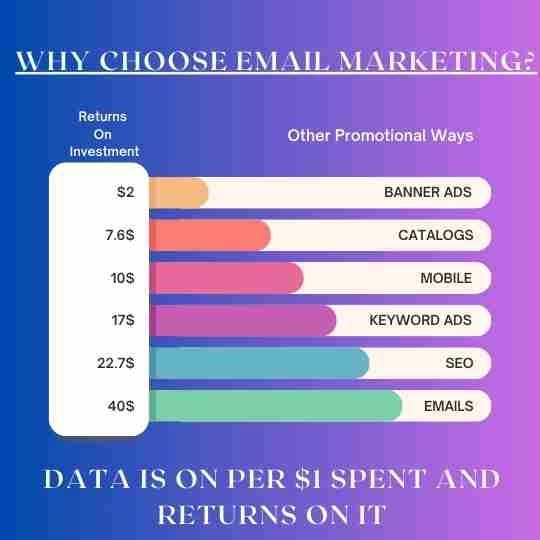
But, email marketing isn’t just about sending promotional offers or newsletters but, to provide value, connect and engage. One of the most beneficial strategies that can enhance the impact of your email campaign is retargeting.
In this blog, we’ll learn what retargeting in email marketing is, how it works, and why it is an important part of a successful email marketing strategy.
What is Retargeting in Email Marketing?
Retargeting, also called remarketing, refers to the practice of re-engaging users who have previously interacted with your brand but haven’t completed a desired action, such as making a purchase or filling out a form. In terms of email marketing, retargeting includes sending targeted emails to users based on their past behaviors or interactions with your brand.
For example, if a potential customer visits your online store, adds items to their cart, but then leaves without completing the purchase. Retargeting lets you send a follow-up email to this individual, reminding them of the items left in their cart and maybe, offering a discount or incentive to complete the transaction.
Retargeting in email marketing has many significant benefits:
- Increased Conversion Rates: Retargeting emails are highly targeted and personalized, making them more effective at converting leads into customers. By reaching out to users who have already shown interest in your brand, you engage with an audience that’s more likely to convert.
- Enhanced Customer Engagement: Retargeting helps you maintain a connection with potential customers, even after they’ve left your site. By keeping your brand top of mind, you increase the chances of them returning to complete a purchase.
- Improved ROI: Retargeting focuses on users who have already interacted with your brand, the cost of acquiring these customers is generally lower than attracting new ones. This makes retargeting a cost-effective strategy that can significantly improve your return on investment (ROI).
- Personalization at Scale: With the right tools, you can automate and personalize your retargeting emails at scale. This means you can reach a large audience with customized messages without sacrificing quality or relevance.
Let’s see how retargeting works to understand more of it!
How Retargeting in Email Marketing Works
Retargeting in email marketing is performed by observing and analyzing the data. Here’s a step-by-step breakdown of how it usually works:
Data Collection
The process starts with collecting data about user behavior. This can be done through website cookies, tracking pixels, or integrating your email marketing platform with your website’s analytics tools. The goal is to gather insights into what actions users are taking (or not taking) on your site.
Segmenting Your Audience
Once you get the data, the next step is to segment your audience based on their behavior. For example, you might create segments for users who have abandoned their carts, have visited specific product pages, or haven’t interacted with your brand in a while.
Crafting Targeted Emails
With the segmented list, you can create personalized emails for each group. The main role here is of relevance—each email should speak directly to the user’s previous interaction with your brand.
For example, if a user abandoned their cart, your email might include a reminder of the items they left behind, along with a special offer to encourage them to complete the purchase.
Automation
To smoothen the process, many marketers use automation tools that can trigger emails based on specific user actions. For example, an abandoned cart email can be automatically sent a few hours after the user leaves the site without purchasing.
Monitoring and Optimization
In every marketing campaign, it’s important to monitor the performance of your retargeting emails. Track metrics such as open rates, click-through rates, and conversion rates to see how well your emails are performing. Use this data to optimize your campaigns, tweaking subject lines, offers, or timing as needed.
Best Practices for Retargeting in Email Marketing
To make your retargeting emails more effective and engaging, here are some best practices that you can follow and implement!
Timing is Important
The timing of retargeting emails plays a great role. If you wait too long, the user may lose interest; if you act too quickly, you might come across as pushy. A common strategy includes sending the first retargeting email within 24 hours of the user’s initial interaction, followed by additional emails if necessary.
Offer Value
Your retargeting emails should offer something of value to the recipient. This could be a discount, free shipping, or even useful content related to their interests. The goal is to compel the user to take the desired action.
Keep it Personal
Personalization isn’t about just simply addressing the recipient by name. Create the content of the email to reflect the user’s specific behavior. Such as, if they viewed a particular product, mention that product in the email and highlight its benefits.
Use Strong CTAs
A compelling call to action (CTA) is crucial in any retargeting email. Make it clear what you want the user to do next, whether it’s completing a purchase, signing up for a webinar, or downloading a resource.
Test and Optimize
Regularly test different elements of your retargeting emails, such as subject lines, email copy, and CTAs. Use A/B testing to identify what works best and continuously optimize your campaigns for better results.
Conclusion
Retargeting in email marketing is a powerful strategy that helps businesses reconnect with potential customers, boost conversion rates, and maximize the effectiveness of their email campaigns.
By understanding how retargeting works and implementing best practices, one can create highly targeted and personalized emails that resonate with your audience and drive results.
Whether you’re looking to recover abandoned carts, re-engage inactive subscribers, or simply enhance your customer journey, retargeting offers a valuable opportunity to make the most of your email marketing efforts.
Email retargeting is a powerful and effective marketing strategy to re-engage customers who have previously interacted with your brand. Essential to strategically executing a successful email marketing retargeting campaign is understanding the best practices involved. This typically includes tailoring your content to closely match your audience’s preferences, constantly analyzing and adjusting your approach based on data. Some of the finest retargeting emails not only remind customers of your brand but provide them value, making them feel exclusive and important. Furthermore, using platforms like emailretargeting com can amplify your strategy, offering assistance in targeting the right audience and crafting the right messages for better engagement.
Email retargeting is a strategic method used in email marketing to re-engage customers who’ve shown interest in a product or service. It’s a powerful tool that leverages the customer’s previous behavior to deliver tailored messages, thus enhancing the customer’s connection with the brand. The best practice in email retargeting includes segmenting your audience based on their interests or behaviors, personalizing your emails, and testing different strategies to find what works best. Remarketing emails represent the same idea, encouraging potential customers to complete their purchase. Essential to the success of retargeting email marketing is crafting highly relevant content that resonates with the recipient’s needs and preferences. Whether it’s emailretargeting com or any other platform you choose, each needs a solid strategy behind it to align with the brand’s overall marketing goals.
Email remarketing and retargeting are effective strategies to re-engage with users who have expressed interest in your brand. They involve tailoring specific email marketing campaigns to attract those who have previously interacted with your brand but did not complete a conversion. To ensure your email re-targeting strategy is effective, adhere to best practices like timely follow-ups and personalized content. Providers like emailretargeting.com can assist with crafting these strategies. Successful email retargeting campaigns can be assessed using examples in the industry, where they have revitalized lackluster email marketing efforts. Remember, the key to an effective retargeting email is relevance and personalization, making each email feel like it was designed especially for the recipient.
Email retargeting, also known as email remarketing, is a strategic approach that aims to re-engage customers by sending targeted emails based on their past interactions and behaviors. To create an efficient email retargeting strategy, you should follow best practices which include personalizing emails, making the content relevant and engaging, and testing different strategies to see what works best. One notable example of a successful retargeting campaign is the 41% increase seen by Moz from their efforts. Always choose the right strategy and continually optimize for best results. This will help improve your customer engagement and provide a significant boost to your overall marketing efforts.
Email retargeting is a practical strategy in email marketing, designed to re-engage with potential customers by sending them targeted emails based on their previous interactions. Developing an efficient email retargeting strategy involves implementing email retargeting best practices, such as personalization, timely follow-ups, and offering value to the recipient. A notable example of successful email retargeting is the Moz email campaign, which saw a 41% retargeting success rate. Similarly, remarketing email strategies aim to win back customers with tailored content and offers. Both retargeting and remarketing email marketing strategies are crucial tools for businesses to enhance their user engagement and conversion rates.
Email retargeting is a marketing strategy that taps into customer behavior to create personalized campaigns. This tactic can greatly enhance your email marketing efforts by sending specific messages to users who’ve interacted with your products or website. Successful email retargeting involves designing best practices to capture user interest and influence them to revisit your brand— an approach shown in the significant 41% retargeted Moz email campaign. Retargeting email marketing not just boosts brand recall but often demonstrably impacts sales and conversions. So, adopting and perfecting an email retargeting strategy will help you keep your brand at the top of your customers’ minds and foster stronger customer loyalty.
Email retargeting is a strategy used in email marketing, where engaging and customized emails are sent to users who have already shown interest in your brand to encourage them to complete a desired action. This turns a simple email remarketing campaign into a powerful tool that encourages user engagement. The best practices for email retargeting include personalized content and timely follow-ups. A notable example is the MOZ email campaign, which retargeted 41% of its users and significantly improved its conversion rates. Understanding and effectively implementing an email retargeting strategy is key to maximizing the potential of your email marketing efforts.


