



Email marketing helps businesses connect with their audience, but it comes with a major challenge: avoiding spam. Spam frustrates the recipients and also damages the reputation of the sender.
To maintain the effectiveness of your email campaigns and keep your emails out of the spam folder, it’s important to understand what spam is and how to avoid it.
What is Spam?
Spam is the unsolicited and irrelevant messages sent to a large number of recipients via email. These emails usually promote products, services, or scams and are sent without the recipient’s consent. Spam is characterized by its mass distribution and it often comes from unknown or untrusted sources.
Some types of email spam are:
- Promotional Spam: Emails promoting products or services without the receiver’s consent.
- Phishing Emails: Emails attempt to deceive recipients into providing personal information by pretending to be from legitimate organizations.
- Scam Emails: Messages designed to trick receivers into sending money or sharing sensitive information.
- Malware Emails: Emails that contain harmful software or links leading to malicious websites.
Spam is not only trouble but can also lead to severe consequences, such as phishing scams, malware infections, and identity theft.
As a result, email service providers (ESPs) and Internet Service Providers (ISPs) have developed filters to identify and block spam before it reaches users’ inboxes.
How to Avoid Spam in Email Marketing
To be sure that your emails reach your audience and don’t end up in the spam folder, it’s crucial to follow best practices and understand the factors that make your emails marked as spam.
Build and Maintain a Clean Email List
The base of a successful email marketing campaign is a high-quality email list. A clean email list contains only those recipients who have willingly opted in to receive your emails. Here’s how you can build a clean email list.
- Use Double Opt-In
Implement a double opt-in process where subscribers can confirm their subscription via email. This helps you be sure that they genuinely want to receive your emails and reduces the likelihood of spam complaints.
- Regularly Clean Your List
Remove the inactive subscribers who haven’t engaged with your emails for a long period. Keeping inactive or invalid email addresses on your list increases the risk of your emails being marked as spam.
- Avoid Purchasing Email Lists
Buying email lists is a quick way to grow your audience, but it’s a legitimate way to end up in the spam folder. Purchased lists contain unverified or outdated addresses, leading to high bounce rates and spam complaints.
Use a Recognizable Sender Name and Email Address
Recipients are more likely to open and trust emails from senders they recognize. Using a generic or unfamiliar sender name or email address can lead to your emails being marked as spam.
Ensure that the sender’s name says about your brand. Consistency helps build trust with your audience. For this, use a personalized email address instead of a generic “no-reply” address. A no-reply address can make your emails feel impersonal and discourage engagement, which can negatively impact your sender’s reputation.
Craft Compelling and Relevant Subject Lines
The subject line is the first thing that recipients see, and it plays an important role in whether your email gets opened or sent to the spam folder. Certain words and phrases can trigger spam filters, so it’s crucial to be mindful of how you craft your subject lines.
Here are some tips for subject lines:
- Avoid Spammy Words: Words like “Free,” “Guaranteed,” “Act Now,” and “Earn Money” are commonly used in spam emails and can trigger filters.
- Be Honest and Clear: The subject lines should accurately reflect the content of your email. Misleading subject lines can lead to higher spam complaints and lower engagement.
- Keep It Short and Sweet: Aim for a subject line that is concise and to the point. Subject lines that are too long cut off on mobile devices.
Provide Valuable Content
Content is the king in the email marketing strategy. If your emails are consistently providing value to your recipients, they are less likely to be marked as spam. On the other hand, irrelevant or low-quality content can quickly lead to disengagement and spam complaints.
So, craft your content to meet the needs and interests of your audience. Segment your list and send targeted emails that resonate with different groups of subscribers.
And while it’s important to promote your products or services, providing informative, educational, or entertaining content can keep your audience engaged and less likely to mark your emails as spam. Additionally, personalizing your emails with the recipient’s name, purchase history, or preferences can make your emails feel more relevant and engaging.
Monitor Your Email Metrics Regularly
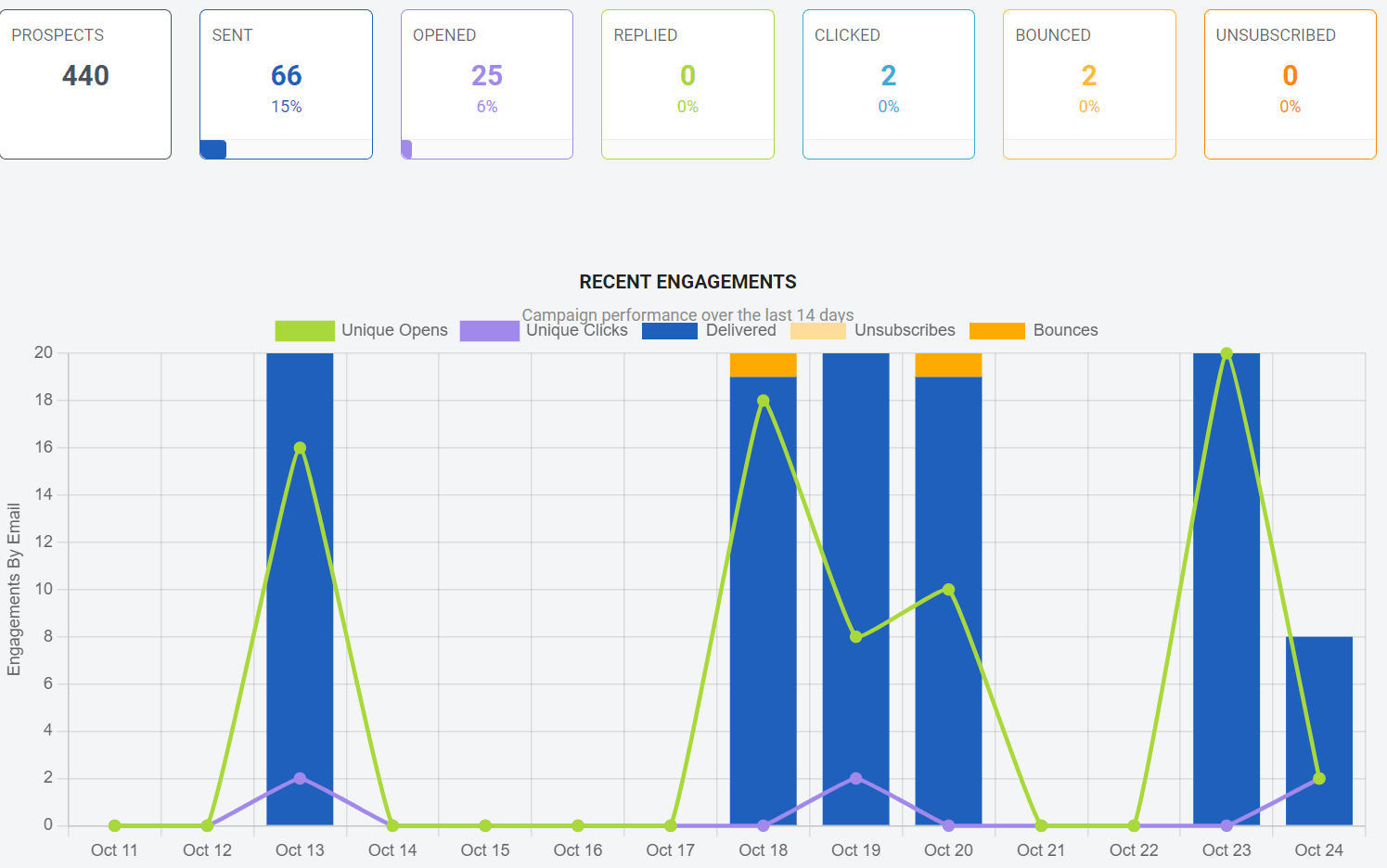
Tracking key email metrics like open rates, click-through rates, bounce rates, and spam complaints helps you identify potential issues early. By analyzing these metrics, you can adjust your strategy to improve engagement and avoid being flagged as spam. Regular monitoring also ensures that you stay informed about your audience’s preferences, enabling you to refine your campaigns for better results.
Include a Clear Unsubscribe Option
While it is not what most marketers want, making it easy for recipients to unsubscribe from your emails can help you avoid spam complaints. If recipients can’t find a clear way to opt-out, they may mark your email as spam instead.
So, include an unsubscribe link at the bottom of every email. Make sure it’s easy to find and clearly labeled. Whenever someone opts out, remove them from your list on time. Continuing to send emails to people who have unsubscribed is not only bad practice but can also violate regulations like the CAN-SPAM Act.
Conclusion
Avoiding spam in email marketing requires a combination of best practices and a commitment to providing value to your audience. By building a clean email list, using a recognizable sender name, crafting relevant subject lines, providing valuable content, optimizing for deliverability, and including a clear unsubscribe option, you can keep your emails out of the spam folder and ensure they reach your intended audience.
To prevent your email marketing efforts from being labeled as spam, you should first ensure to only send emails to individuals who’ve expressly consented to receive them. You should also maintain a relevant and personalized tone to each email, carefully avoid all-caps words, excessive punctuation or overuse of sales language. Always include a simple way for recipients to unsubscribe. Additionally, considering regular audits of your email list to rid it of inactive subscribers and the frequent testing of your email’s spam rating, can help maintain good email marketing hygiene and reduce the chances of your emails winding up in the spam folder.
To avoid spamming in email marketing, it’s crucial to obtain explicit permission from recipients before sending emails, ensuring that your content provides value and relevance to the audience. Regularly update and cleanse your email lists to avoid sending to inactive or wrong addresses. Always include an easy option to unsubscribe, as emails without this feature are often marked as spam. Make sure your subject line accurately reflects the body of the email to maintain transparency and avoid triggering spam filters. Remember that effective email marketing is about building relationships, not bombarding inboxes.
To avoid spamming in email marketing, it’s crucial to follow several key practices. First, always get permission before adding someone to your mailing list to ensure the recipient is interested in your content. Secondly, incorporate clear, transparent headlines in your email to avoid misleading your audience. Also, provide an easy-to-find unsubscribe link in each email to allow contacts to opt-out whenever they choose. Regularly cleaning your email list to remove inactive subscribers can also help. Following these strategies not only keeps you compliant with spam laws but enhances your reputation, leading to a more effective email marketing campaign.
To effectively avoid spam in email marketing, ensure your email campaigns are permission-based, meaning only send to those who have expressly signed up to receive your emails. Make your unsubscribe process simple and immediate to avoid being marked as spam. Regularly update and clean your email list, removing any inactive or bounced email addresses. Additionally, keep your email content relevant and engaging as this reduces the likelihood of recipients marking them as spam. Lastly, using legitimate email marketing software can help prevent SEO spam emails by verifying your emails against known spam filters, ultimately ensuring your emails make it to recipients’ inboxes.
Avoiding spam in email marketing is crucial for maintaining a reputable and efficient SEO. To dodge being flagged as spam, send emails only to users who have explicitly agreed to receive them. Ensure your email content remains relevant and engaging to reduce user complaints. Regularly cleanse your email list of inactive or non-responsive recipients. Abide by the guidelines of the Can-SPAM Act which outline specific laws for email marketing, including the necessity of an unsubscribe link, accurate header information, and clearly defined advertising. Leveraging these strategies, you can significantly minimize the chances of your email marketing being labelled as spam.
To prevent your marketing emails from ending up in the spam folder, it’s crucial to adopt best practices in email marketing. This includes maintaining authenticity by using a trusted domain, crafting compelling but not ‘salesy’ subject lines, making it easy for recipients to unsubscribe, and personalizing the emails to resonate with your audience. Email validation tools can also help keep your list free of spam traps. Also, avoid an excessive use of SEO-drenched keywords, as this can trigger spam filters. Constant analysis, tailored content, and good relationships with email clients can ensure your emails arrive in the inboxes of recipients, rather than their spam folders, indicating a successful email marketing strategy.
Successfully preventing spam in email marketing involves several key techniques. Firstly, it necessitates careful crafting of the email subject lines and content to avoid triggering spam filters. Secondly, maintaining a healthy email list and respect for the frequency of your email sends are essential to aid in the avoidance of being marked as spam. For instance, if your marketing email doesn’t bounce, yet lands in the recipient’s spam folder, it denotes an issue with your email’s perceived quality or relevance – often seen as a distinctive ‘spam flag’. Therefore, to prevent such a case, it’s vital to ensure your emails are personalized, valuable, and adhere to best email practices, which includes proper sender authentication, abiding by the CAN-SPAM Act’s guidelines and getting a spam-check before sending out your campaign. This way, you can stay clear from the spam folder and reach the inbox of your audience effectively.
To avoid the spam folder, it is important to ensure your email recipients have opted-in to receive your communications. Next, maintain a good sender reputation by constantly monitoring your email open and bounce rates. Use a reliable Email Service Provider (ESP), and avoid misleading subject lines. Keep your emails relevant and engaging, consistently reminding recipients why they are receiving them in the first place. Don’t forget to comply with the CAN-SPAM act and include your physical business address, along with a clear, easy way for recipients to opt-out of your emails. Follow these tips and you’d ensure your emails evade the gloom of the spam folder.


